
Motorcycle route through the Arribes del Duero
Are you looking for one of the best motorcycle routes in Castile and León? If you enjoy linking together winding roads, discovering quiet back roads and stopping off in charming villages, the Arribes del Duero motorcycle route is an experience that deserves a place on your list.
Located between the provinces of Zamora and Salamanca, the Arribes del Duero Natural Park is home to some of the most spectacular landscapes in western Spain. Along the route, you'll ride through deep canyons carved by the River Duero, scenic viewpoints with breathtaking views, hydroelectric dams, panoramic roads and historic towns such as Fermoselle, Aldeadávila de la Ribera and Ciudad Rodrigo.
As well as enjoying the ride, this route allows you to discover the region's traditional cuisine, visit centuries-old wineries and explore one of the most remarkable natural areas in Castile and León.
In this guide, you'll find the complete route, the main points of interest, tips for planning your trip and recommendations to help you make the most of a motorcycle getaway through the Arribes del Duero.
Why take a motorcycle route through the Arribes del Duero?
The Arribes del Duero is one of those destinations that surprises even riders who have spent years exploring Spain on two wheels. While other well-known motorcycle routes attract most of the attention, this corner of western Castile and León offers a combination that is hard to match: quiet roads, technical bends with very little traffic, spectacular scenery and villages that have preserved their authentic character.
The route crosses the Arribes del Duero Natural Park, a protected area that follows the course of the River Duero along the border between Spain and Portugal. Throughout the journey, you'll enjoy natural viewpoints, canyons over 300 metres deep, waterfalls, hydroelectric dams and numerous villages where you can stop to discover the area's history, gastronomy and culture.
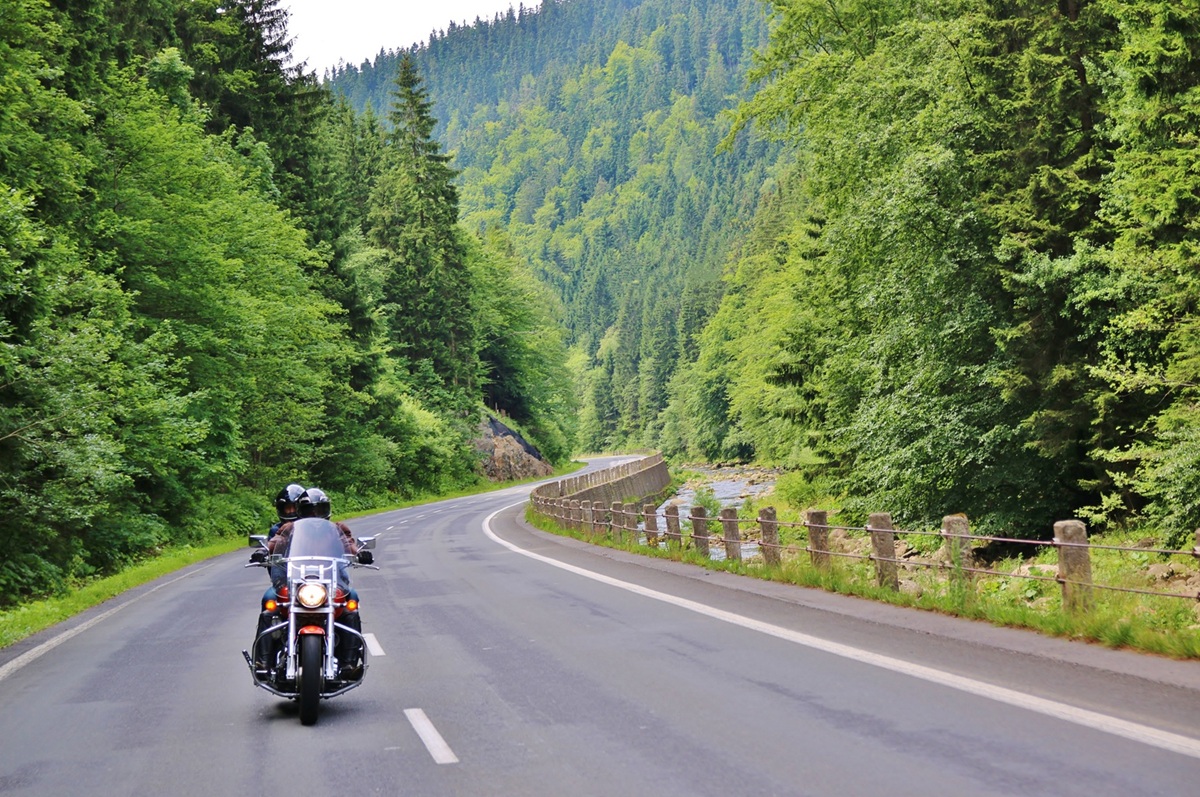
Another major attraction is the variety of the route. You'll encounter fast sections ideal for enjoying the ride, roads full of bends, small mountain passes and panoramic areas where it's well worth stopping for a few minutes to admire the scenery.
If you choose to complete the route over a weekend, you'll also have the chance to explore places such as Fermoselle, considered one of the most charming villages in Zamora and one of the best bases for discovering the Arribes del Duero.
Can the route be completed in a single day?
Yes, it's possible to complete the route in a single day if you make very few stops. However, the best option is to divide the journey over two days. This allows you to visit the main viewpoints at a relaxed pace, explore villages such as Fermoselle and Aldeadávila de la Ribera, enjoy the local cuisine and discover some of the lesser-known corners of the Arribes del Duero Natural Park. Spending the night in the region also makes the experience much more rewarding.
Motorcycle route through the Arribes del Duero
The route we recommend covers approximately 240 kilometres across the provinces of Zamora and Salamanca, passing through some of the most spectacular scenery in the Arribes del Duero Natural Park. Although it can be completed in around four and a half hours without stopping, doing so would mean missing much of what makes this journey so special.
Ideally, you should allow one or even two days to explore its historic villages, admire the viewpoints, sample the local cuisine and enjoy the ride without rushing.
Zamora: the best starting point for the route
Our route begins in Zamora, a city with a remarkable historical heritage and excellent road connections to the Arribes del Duero.
Before setting off on your motorcycle, it's well worth taking a stroll through the historic centre, regarded as one of the finest collections of Romanesque architecture in Europe. Its Cathedral, Castle, ancient city walls and Plaza Mayor are among the highlights you shouldn't miss.
If you're setting off in the morning, take the opportunity to enjoy breakfast or fuel up with some traditional dishes from Zamora's cuisine. Garlic soup, Zamoran-style rice or a selection of locally produced cured meats are an excellent way to start the day.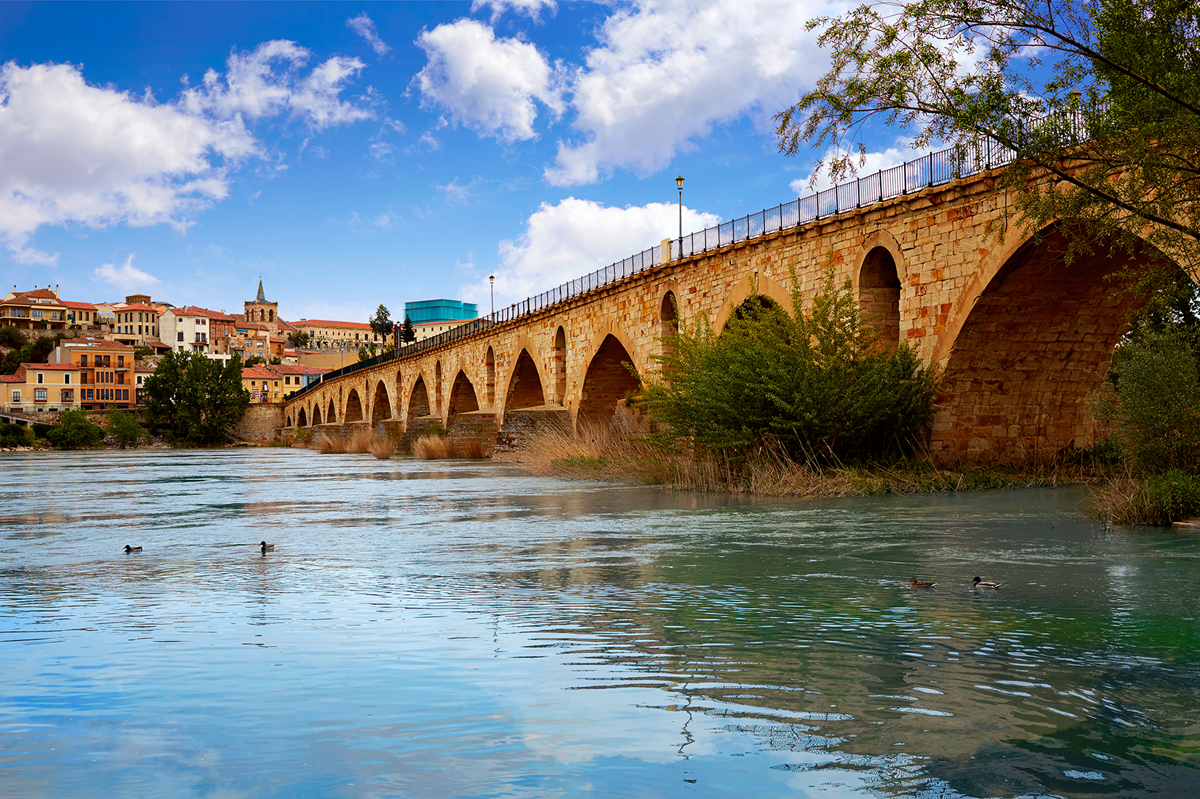
From Zamora, we'll take the CL-527 towards Fermoselle. It's advisable to fill up your fuel tank at one of the petrol stations in the city or during the first few kilometres, as filling stations become much less frequent later on.
From Zamora to Fermoselle: a road made for enjoying the scenery
The first few kilometres follow a comfortable road with an excellent surface, perfect for settling into the ride. This relatively straight section is surrounded by holm oak woodland, farmland and the small pasturelands typical of western Zamora.
Although it isn't the most technical part of the route, it offers a relaxed ride while the landscape gradually changes, signalling your arrival at the Arribes del Duero Natural Park.
As you approach Fermoselle, you'll begin to notice the terrain becoming more rugged, with the first steep slopes that characterise this remarkable region.
Fermoselle, the gateway to the Arribes del Duero
Few places capture the spirit of the Arribes del Duero better than Fermoselle. Declared a Historic-Artistic Site and considered by many to be the capital of the region, this village stands on a rocky outcrop surrounded by the canyons of the Duero and Tormes rivers.
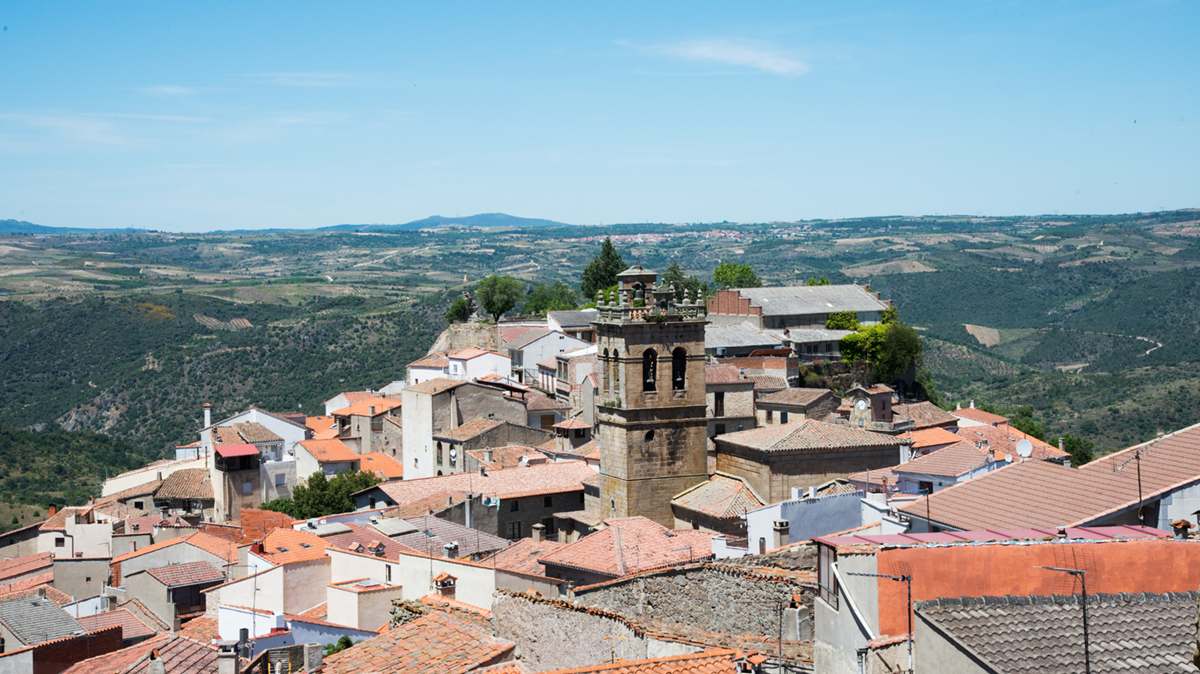
Its steep, narrow cobbled streets preserve the charm of centuries past. Walking among its stone houses reveals small squares, ancient underground wine cellars and hidden corners with spectacular views over the surrounding landscape.
Among its main attractions are:
- The Church of Nuestra Señora de la Asunción.
- The Plaza Mayor.
- The remains of the castle.
- The traditional underground wine cellars.
- Its many scenic viewpoints.
In addition, Fermoselle forms part of the Arribes Wine Route, making it the perfect place to visit a local winery and sample wines produced under the Arribes Designation of Origin.
A perfect stop for lunch... or even an overnight stay.
Many travellers choose to divide this route into two days in order to explore the Natural Park at a more relaxed pace. If you decide to do the same, Fermoselle is probably the best place to stay, thanks to its strategic location along the route and its excellent gastronomic offering.
If you're looking to relax after a day in the saddle, the Posada Doña Urraca combines charming accommodation, a privileged location and a restaurant serving traditional cuisine made with locally sourced ingredients. It's an excellent option for continuing the route the following day at a relaxed pace while making the most of the experience.
Bemposta Dam: one of the finest viewpoints over the River Duero
Before leaving Fermoselle, it's well worth taking a short detour along the ZA-316 to visit the Bemposta Dam, located right on the border between Spain and Portugal.
This section begins to showcase some of the most enjoyable bends on the route, with constant changes in gradient and elevation that encourage a smooth and careful riding style.
From the area surrounding the dam, you'll enjoy one of the first panoramic views of the impressive Duero canyon, offering a glimpse of everything still to come along the journey.
Pereña de la Ribera and Pozo de los Humos
After crossing the River Tormes, you'll enter the province of Salamanca and arrive at Pereña de la Ribera, one of the most visited villages in the Arribes region.
Although the village itself is worth a brief stop, the real highlight is the Pozo de los Humos, probably the most famous waterfall in Castile and León.
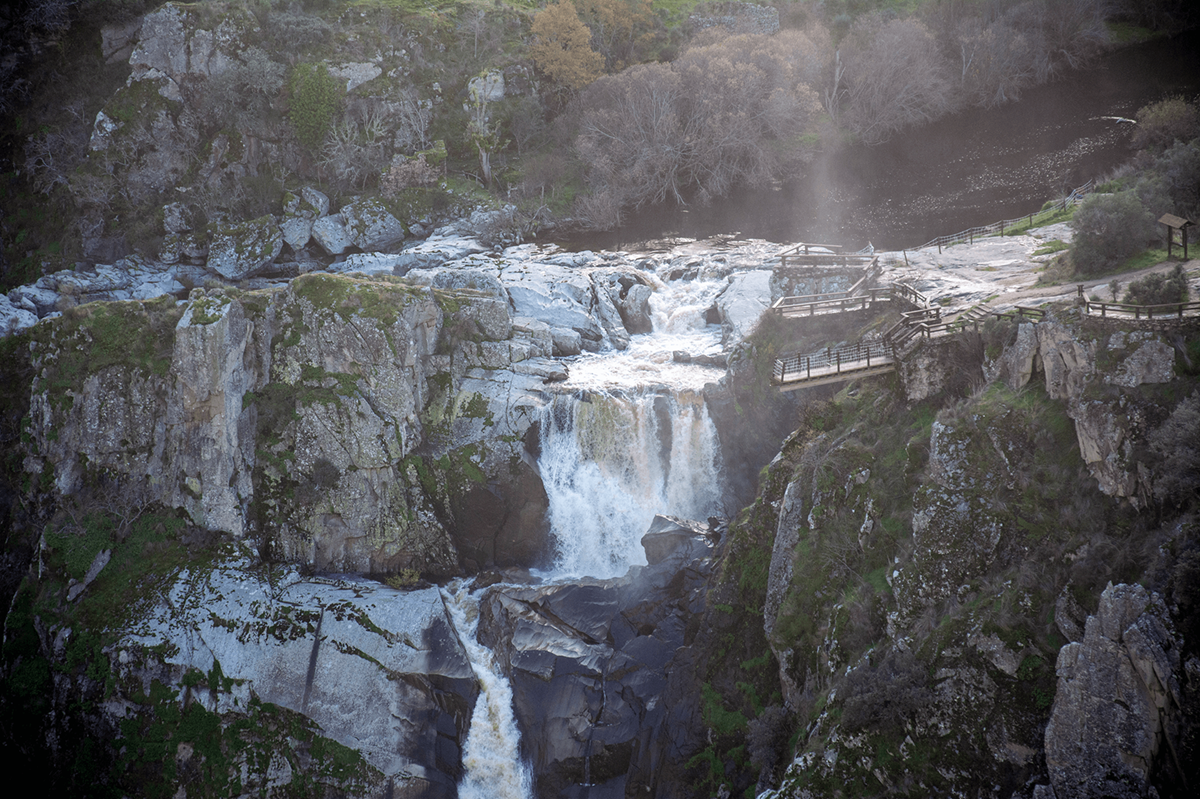
When the River Uces carries sufficient water, it plunges from a height of more than 50 metres, creating a cloud of mist that gives the site its name.
If you have enough time, it's well worth leaving your motorcycle in the car park and following the footpath to one of the viewpoints.
It is one of the most photographed locations in the entire region.Villarino de los Aires and Trabanca
The route continues through two small villages closely connected to the agricultural landscape of the Arribes.
In Villarino de los Aires, you'll find several viewpoints overlooking the Almendra Reservoir and much of the Natural Park.
Trabanca, meanwhile, has retained the peaceful atmosphere of the region's traditional villages and makes an excellent place for a short break before continuing towards Aldeadávila.
The road between the two villages combines long straights with gentle bends, making it ideal for enjoying a relaxed ride with very little traffic.
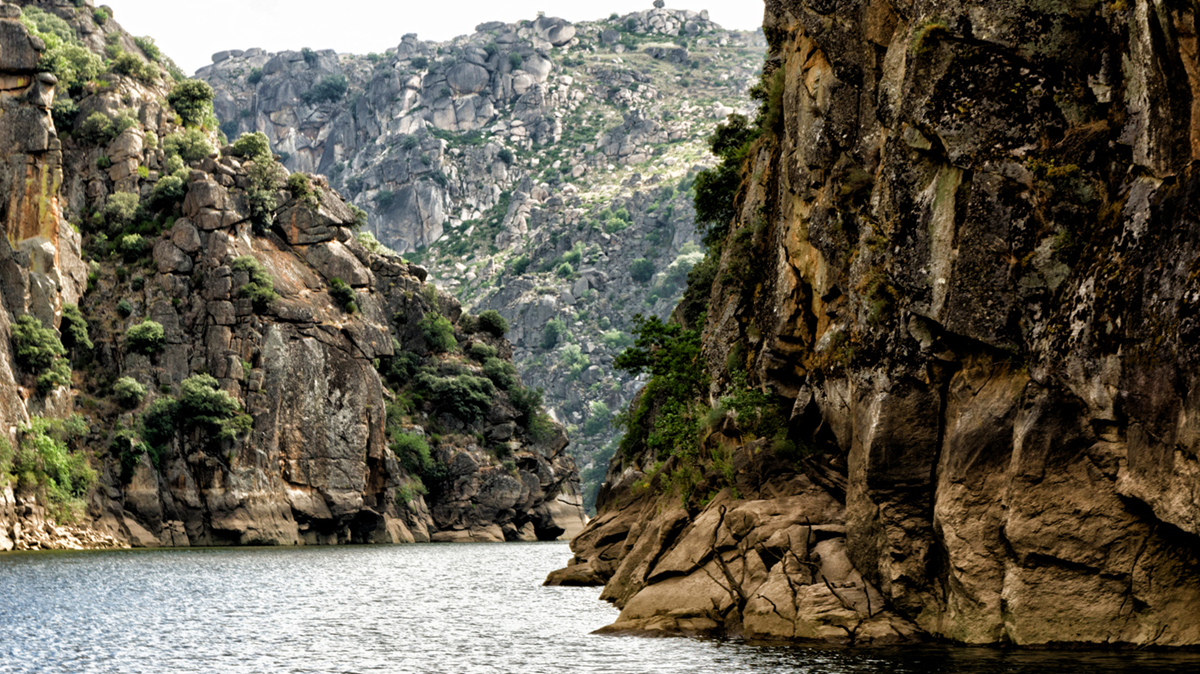
Aldeadávila de la Ribera and the most impressive dam in the Arribes
If there is one place you simply cannot miss on this route, it is Aldeadávila de la Ribera.
This small village is internationally renowned for being home to the Aldeadávila Dam, one of Spain's greatest achievements in hydraulic engineering.
The roads descending towards the dam offer some of the finest bends along the entire route, together with spectacular views over the Duero canyons.
Just a short distance away lies the famous Mirador del Fraile, probably the best-known natural viewpoint in the Arribes del Duero.
From here, you'll be able to admire the dam perfectly integrated into the towering granite cliffs.
It's one of those places where it's worth switching off the engine for a few minutes and simply enjoying the silence.
Extra care should be taken in this area, as there are numerous sections with very tight bends and steep gradients.
Saucelle and the Saucelle Dam: one of the most spectacular landscapes on the route
After leaving Aldeadávila de la Ribera, the road continues towards Saucelle, another of the great highlights of the Arribes del Duero Natural Park. This section is a favourite among many motorcyclists thanks to its combination of flowing bends, excellent road surface and ever-changing views as you approach the Duero canyon.
Before reaching the village, it's well worth making a detour to the Saucelle Dam, one of the most important hydroelectric power stations on the River Duero. The descent towards the dam is a real delight for riders who enjoy mountain roads, provided speed limits are respected and extra caution is taken on the tighter bends.
Nearby you'll find two of the finest natural viewpoints in the entire region:
- Mirador del Picón del Moro, offering an impressive panoramic view over the Duero Valley and the Portuguese countryside.
- Mirador del Salto, an ideal spot to admire the dam and appreciate the dramatic drop that characterises the Arribes landscape.
On clear days, visibility is exceptional, making this the perfect place to take a short break, capture some photographs and enjoy the surroundings before continuing your journey.
Hinojosa de Duero: peaceful roads through pastureland and vineyards
The route continues towards Hinojosa de Duero, a village with strong ties to the traditional culture of the Arribes and renowned for its wine and olive oil production.
The road leading to the village follows quiet secondary roads with very little traffic, making it ideal for enjoying a relaxed ride. Gentle straights alternate with medium-radius bends, allowing you to maintain a comfortable pace as the landscape shifts between pastureland, olive groves and vineyards.
In Hinojosa, it's worth stopping to stroll through its streets and admire some of its historic buildings before continuing to one of the most charming villages in the province of Salamanca.
San Felices de los Gallegos: medieval history on two wheels
One of the greatest discoveries along this motorcycle route through the Arribes del Duero is San Felices de los Gallegos, declared a Historic-Artistic Site and considered one of the best-preserved medieval villages in Castile and León.
Its cobbled streets, ancient walls and castle make it an essential stop for any traveller.
If you have enough time, it's well worth visiting:
- San Felices Castle.
- The Plaza Mayor.
- The Church of Nuestra Señora entre Dos Álamos.
- The Olive Oil Museum.
In addition, several walking routes begin in the village, allowing visitors to discover some of the lesser-known landscapes of the Natural Park. Even if you're travelling by motorcycle, a short walk could easily become one of the highlights of your trip.
Ciudad Rodrigo: the perfect ending to an unforgettable motorcycle route
The final stage of the route leads to Ciudad Rodrigo, a magnificent historic city that provides the perfect conclusion to one of the finest motorcycle routes in Castile and León.
Its impressive, beautifully preserved walled enclosure invites you to leave your motorcycle parked for a few hours and explore the historic centre at a leisurely pace.
Among the must-see attractions are:
- Santa María Cathedral.
- The Castle of Henry II, now a Parador Hotel.
- The Plaza Mayor.
- The city walls.
- La Brecha, the site of important historical events during the Peninsular War.
If you choose to finish your route here, take the opportunity to enjoy Salamanca's traditional cuisine in one of the city's restaurants before beginning your journey home.
And most importantly, so there's no doubt about the route, here is the Google Maps route link.
Must-see viewpoints along the route
One of the greatest attractions of exploring the Arribes del Duero by motorcycle is its spectacular viewpoints. Many of them are located just a few minutes from the main road, making it well worth taking a short detour to enjoy some truly unique views.
Don't miss the following during your journey:
- Mirador del Fraile (Aldeadávila de la Ribera).
- Mirador del Picón del Moro (Saucelle).
- Mirador del Salto.
- Mirador de Las Barrancas.
- Mirador del Castillo de Fermoselle.
- Mirador del Torojón.
- Mirador del Pozo de los Humos.
Each of these offers a different perspective over the Duero canyons, the hydroelectric dams and the distinctive landscapes of the Natural Park.
Take a break and enjoy the local cuisine
A motorcycle route is also something to savour around the table. The cuisine of the Arribes del Duero preserves the essence of traditional Castilian cooking, prepared using locally sourced ingredients and recipes passed down through generations.
Along the route, you'll have the opportunity to enjoy local specialities such as:
- Sayago beef.
- Roast milk-fed lamb.
- Cod prepared in the traditional a la raya style, influenced by Portuguese cuisine.
- Artisan cheeses.
- Traditional cured meats.
- Extra virgin olive oil produced in the region.
- Wines with the Arribes Designation of Origin.
If you're staying overnight in Fermoselle or simply looking for an excellent place to eat during your journey, the restaurant at Posada Doña Urraca is an outstanding choice.
Its culinary offering is based on traditional cuisine with a contemporary touch, using locally sourced produce and recipes inspired by the gastronomy of Zamora and Salamanca. After several hours in the saddle, enjoying a relaxed meal in such a charming setting is the perfect way to recharge before continuing your route.
What's more, its location in Fermoselle allows you to combine a visit to the village with an excellent dining experience without the need for any additional travel.
Where to stay during a motorcycle route through the Arribes del Duero?
Although the route can be completed in a single day, many travellers prefer to divide it over two days in order to enjoy all the attractions of the Natural Park at a more leisurely pace.
In that case, Fermoselle is the most recommended place to spend the night. Its location almost at the centre of the route makes it easy to organise your journey while allowing plenty of time to explore the village, its wineries, viewpoints and outstanding gastronomy.
The Posada Doña Urraca is an especially attractive option for those travelling by motorcycle. In addition to its privileged location, it offers the peaceful atmosphere that many riders appreciate after a long day of bends and kilometres. From here, you can begin the second stage of your journey feeling refreshed, with many of the Arribes' main attractions just a short ride away.
Conclusion: One of the finest motorcycle routes in Castile and León
If you're looking for a route that combines peaceful roads, spectacular scenery, charming villages and a cuisine that delights at every stop, exploring the Arribes del Duero by motorcycle is an excellent choice.
Over the course of just over 240 kilometres, you'll discover breathtaking canyons, viewpoints overlooking the River Duero, dams that represent milestones in Spanish engineering, centuries-old wineries and some of the most beautiful villages in Zamora and Salamanca.
Our advice is simple: don't rush. Take the time to stop at the viewpoints, wander through Fermoselle, sample the local cuisine and fully appreciate the surroundings. Extending the journey over one or two days will make the experience far more rewarding.
If you decide to stay overnight in the region, the Posada Doña Urraca allows you to relax in the heart of Fermoselle and enjoy the traditional cuisine served in its restaurant before continuing your journey through one of western Spain's most remarkable landscapes.
Because some routes are remembered for the bends... and others for everything that happens when you decide to get off the bike.
Frequently asked questions about the Arribes del Duero motorcycle route
How long is the Arribes del Duero motorcycle route?
The main route is approximately 240 kilometres long, although the total distance may increase if you choose to visit some of the many viewpoints or take short detours to places such as Pozo de los Humos or the Aldeadávila Dam. The best option is to allow a full day, or even two, to enjoy everything the route has to offer.
How long does it take to ride through the Arribes del Duero?
Without stopping, the route can be completed in around 4 hours and 30 minutes. However, if you include visits to villages, viewpoints, restaurants and the main attractions, it usually takes between 8 and 10 hours, or can comfortably be split over two days.
What is the best time of year to ride this route?
Spring and autumn are the most recommended seasons. Temperatures are pleasant, the landscape is at its most beautiful and traffic is much lighter than during the summer months.
In spring, the Duero canyons are particularly lush and the Pozo de los Humos waterfall usually carries a much greater volume of water.
In autumn, the vineyards across the region create spectacular scenery as the leaves change colour.
Is the route suitable for all types of motorcycle?
Yes. The route can be completed on almost any type of motorcycle.
It is particularly well suited to: Trail, Touring, Sport Touring and Naked motorcycles.
Sports bikes and cruisers can also enjoy the route, although some sections feature slightly uneven road surfaces and narrower roads.
Are the roads in good condition?
Generally speaking, yes. Most of the route follows regional and provincial roads with good surfaces and very little traffic.
Some access roads leading to viewpoints or dams become considerably narrower, so it's important to ride with extra care and adjust your speed accordingly.
Are there enough petrol stations along the route?
Yes, although they are not particularly frequent.
It's advisable to start the route with a full tank in Zamora and, if necessary, refuel when passing through places such as Fermoselle or Ciudad Rodrigo.
Where is the best place to stay overnight?
If you decide to complete the route over two days, Fermoselle is one of the best places to stay.
Its location makes it easy to continue the journey the following day and it also offers an excellent selection of restaurants, wineries open to visitors and an important historical heritage.
The Posada Doña Urraca is an excellent place to relax after a day on the bike and continue discovering the Arribes del Duero at your own pace.
